
Amodei Pushes a US-Led AI Coalition at the G7 Summit
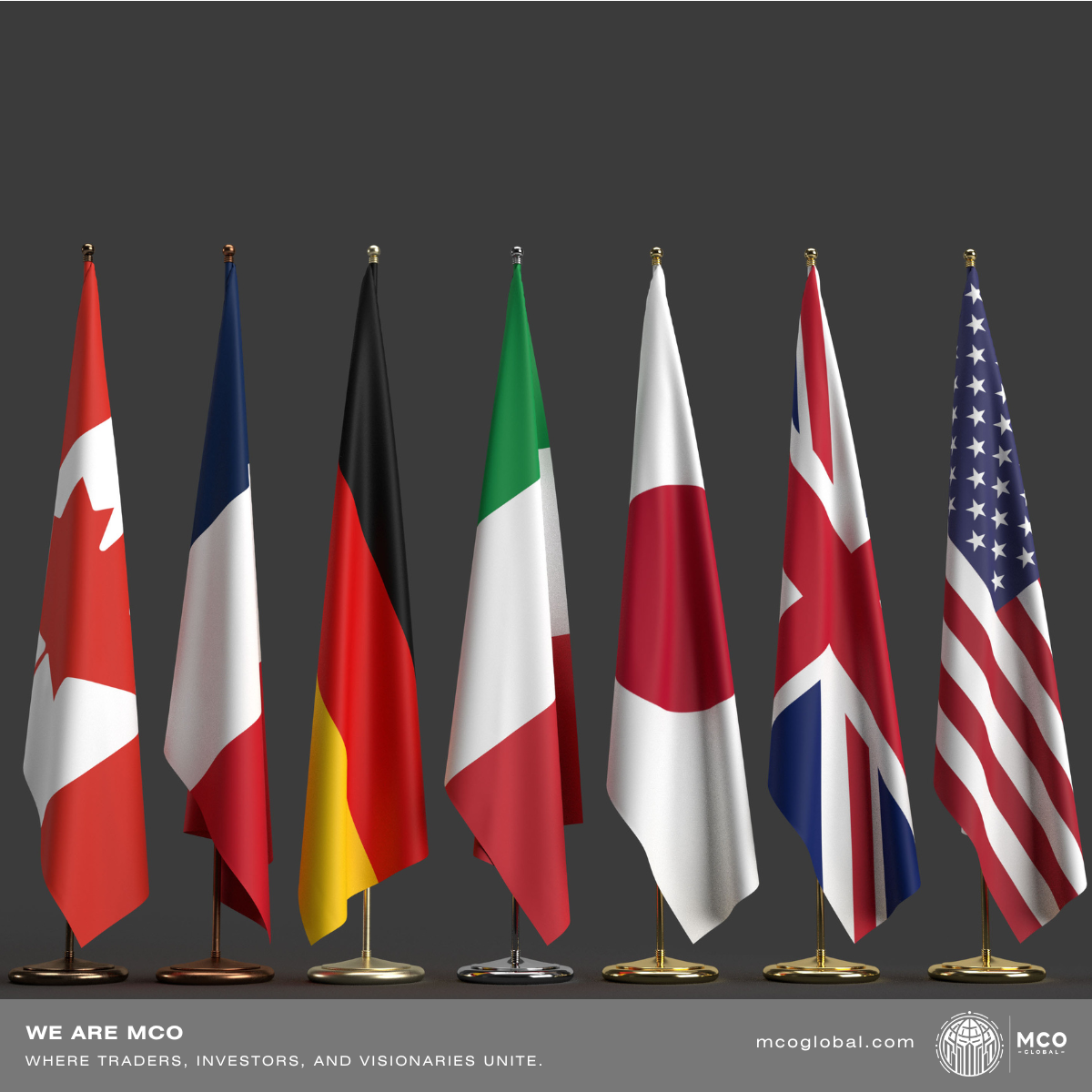
For the first time, the three people running the world's leading AI labs sat at the same table as the G7. At the summit in Evian, France, OpenAI's Sam Altman, Anthropic's Dario Amodei, and Google DeepMind's Demis Hassabis joined Trump and other leaders for a lunch on the future of AI. Amodei used the moment to call for a US-led coalition to set the rules. The timing is loaded.
It is loaded because Anthropic is also at the center of the fight over those rules. Less than a week ago, on June 12, a US export-control directive suspended its two newest models, Fable 5 and Mythos 5, for all foreign nationals, citing security risk. So Amodei arrived at the G7 both as an architect of the proposed order and as its most visible casualty. Awkward setup.
At the lunch, Amodei and Hassabis pushed for a coalition of democratic countries, led by the US, to shape AI standards. Amodei's pitch: structured access to frontier models for trusted allies, trade in chips and critical components that excludes China, and cooperation on AI risk in cyber, bio, and intelligence. Running alongside was a trusted partners framework, discussed June 16, a vetted list of allied nations and approved companies that would be exempt from the broad US restrictions imposed on June 12. Europe, for its part, pressed Washington to share access to the latest models.
There is no single ticker for this, but the read-through is real. Nvidia, the company most exposed to who can buy and run frontier AI, traded around 208 dollars, steady on the day. The bigger signal is structural. A trusted partners regime would turn frontier AI into something closer to a controlled export, the way advanced chips already are, reshaping which countries and firms get access. Markets have started pricing AI policy alongside AI products.
The summit is expected to produce a communiqué, not binding law, but one meant to stage national legislation across the G7 within twelve months. Three themes lead: synthetic-DNA biosecurity, AI sovereignty in Europe, and a shared system for evaluating models and reporting incidents. If the trusted partners idea sticks, it eases the exact problem that just hit Anthropic, a blanket ban with no path back. If it stalls, the June 12 order stands as the template, ad hoc and opaque.
So Anthropic spent the week on both ends of the same policy. Suspended by an export order on June 12, then days later helping design the coalition that might replace it. Amodei wants rules clear enough that the next Fable does not just vanish overnight. Whether the G7 delivers that, or just a press release, is the open question. Watch the communiqué.
Amodei Pushes a US-Led AI Coalition at the G7 Summit
For the first time, the three people running the world's leading AI labs sat at the same table as the G7. At the summit in Evian, France, OpenAI's Sam Altman, Anthropic's Dario Amodei, and Google DeepMind's Demis Hassabis joined Trump and other leaders for a lunch on the future of AI.
Sources
https://www.cnbc.com/2026/06/17/anthropic-amodei-google-hassabis-us-ai-coalition-g7.html | https://www.cnbc.com/2026/06/17/g7-trump-ai-tech-leaders-openai-anthropic-google.html | https://fortune.com/2026/06/17/g7-ai-sovereignty-europe-anthropic-blackout-trump/ | https://www.semafor.com/article/06/17/2026/ai-ceos-talk-global-standards-at-g7