
Electricity Is Becoming the Hard Limit on AI's Growth
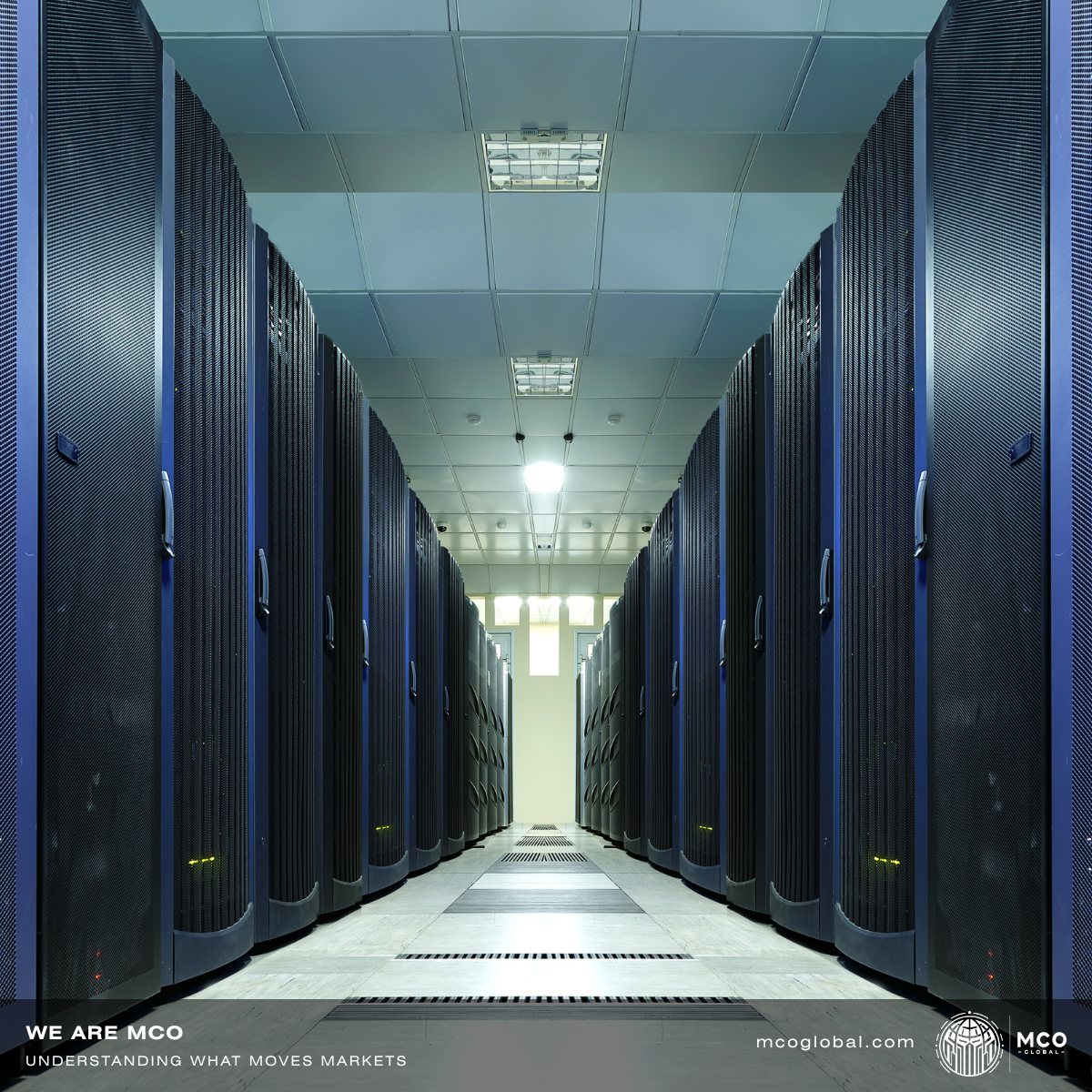
The AI build-out has run into something money cannot quickly fix: power. US data centers could need around 74 gigawatts by 2028, and forecasters see a shortfall of nearly 49 gigawatts in the power actually available to them. The chips are the easy part now. Getting electricity to them is the bottleneck.
The scale is staggering. The four biggest cloud companies are spending around 400 billion dollars a year on AI data centers, and each new one draws as much power as a small city. The grid was never built for this. Global grid investment is set to hit roughly 550 billion dollars in 2026, but transformers, substations, and high-voltage lines have multi-year backlogs, so even fully funded data centers can sit idle waiting for a connection.
That is why the AI giants are buying power directly, and increasingly buying nuclear. Microsoft contracted the restart of the Three Mile Island plant, now called Crane, for about 835 megawatts. Amazon signed a 17-year deal with Talen for nearly 2 gigawatts from the Susquehanna nuclear plant and committed 20 billion dollars in Pennsylvania. Washington has leaned in too, with four nuclear executive orders signed in a single day to speed reactors along. Small modular reactors are the next bet.
Energy has quietly become an AI trade. Utilities and independent power producers with nuclear or firm capacity have rerated as data-center demand turned them into growth stories, and uranium has caught a bid on the same logic. The thinking is simple: if AI needs round-the-clock power and renewables are intermittent, firm sources like nuclear and natural gas win. Whoever controls firm power controls the build-out.
The constraint reshapes the whole race. Compute is only useful if you can power and cool it, so the winners may be decided as much by energy access as by chip access. That favors companies and countries with spare generation, and it puts a hard ceiling on how fast AI can scale in places where the grid is already tight. It also raises real questions about cost and emissions that the AI industry is only starting to answer.
So the AI story is becoming an energy story. Hundreds of billions for chips, and now hundreds of billions more for the power to run them, with nuclear back in fashion and the grid the limiting factor. The next phase of AI will be built in gigawatts. Watch power deals as closely as chip deals.
Electricity Is Becoming the Hard Limit on AI's Growth
The AI build-out has run into something money cannot quickly fix: power. US data centers could need around 74 gigawatts by 2028, and forecasters see a shortfall of nearly 49 gigawatts in the power actually available to them.
Sources
https://www.morganstanley.com/insights/articles/powering-ai-energy-market-outlook-2026 | https://www.globenewswire.com/news-release/2026/05/04/3287042/0/en/ai-data-centers-will-soon-consume-as-much-power-as-two-thirds-of-all-american-homes.html | https://www.datacenterknowledge.com/energy-power-supply/how-realistic-is-nuclear-power-for-ai-data-centers | https://www.irecruit.co/insights/smr-nuclear-powered-data-center-developments