
Iran Says the Strait of Hormuz Is Closed. The US Hit 140 Targets in Reply
The most dangerous line in the conflict has been crossed. Iran's Revolutionary Guard attacked a Cyprus-flagged container ship in the Strait of Hormuz, leaving one crew member missing, and then declared the waterway closed. The US answered on Sunday by striking around 140 Iranian military targets, its third round of strikes this week alone.
Declaring the strait closed is the escalation that matters. Roughly a fifth of the world's oil passes through this narrow channel between Iran and Oman, and no country has the legal right to shut an international waterway. Iran claims it fired a warning shot at a vessel using an unauthorized route, but the practical message is that ships now enter at their own risk. A threat has become a policy.
The US response has been overwhelming and sustained. Earlier in the week American forces hit more than 80 targets, including air-defense systems, command networks, coastal radar and dozens of Revolutionary Guard fast boats, the exact tools Iran needs to threaten shipping. Washington has also reimposed sanctions on Iranian oil sales. The strategy is to dismantle Iran's ability to enforce its own blockade.
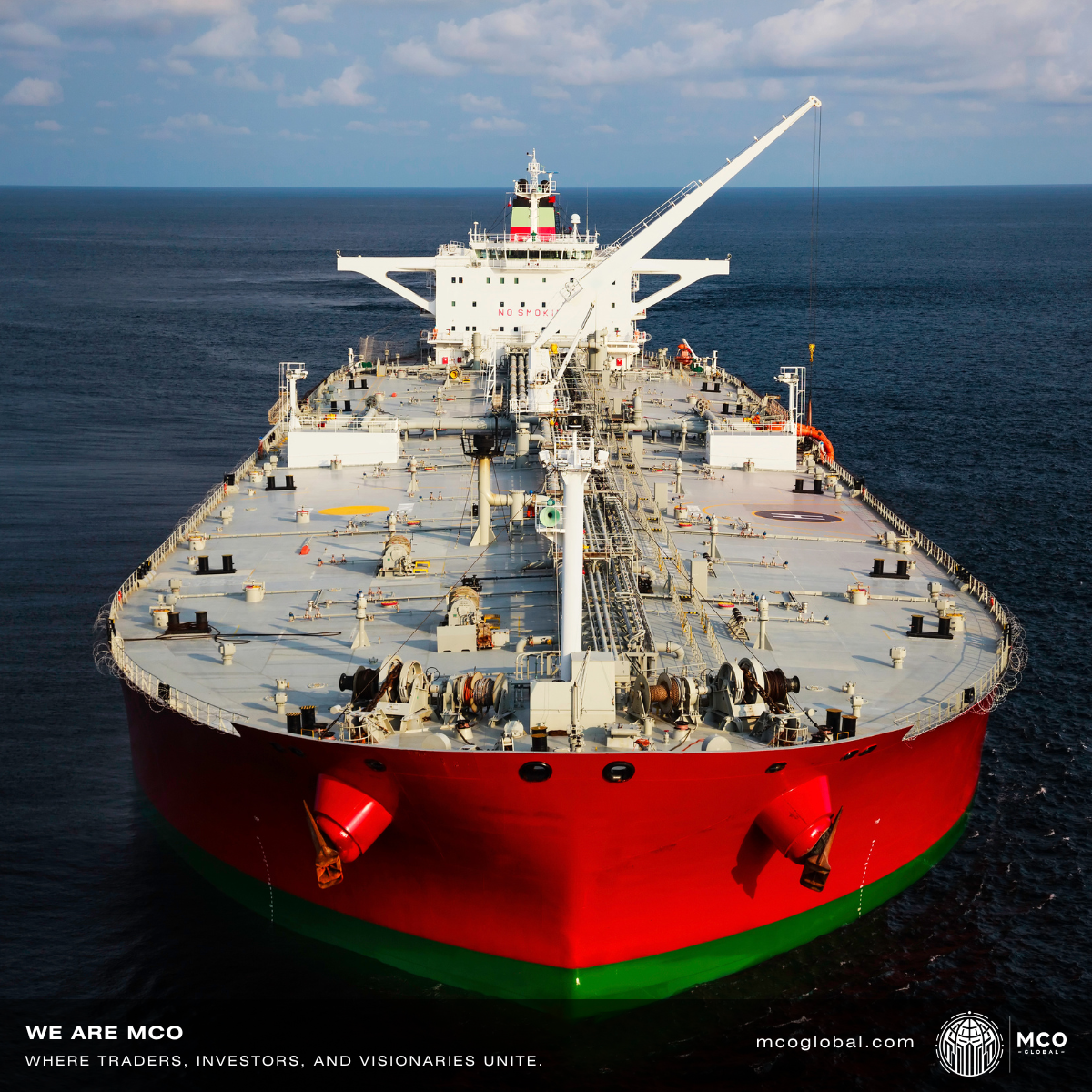
For shipping, the risk is now concrete. Traffic through the strait has slowed sharply, insurers are pulling back and crews face genuine danger, which means fewer tankers moving oil out of the Gulf. Even a partial slowdown at this chokepoint ripples into energy supply for Asia and Europe. The world's most important sea lane has become a shooting gallery.
Diplomacy has not stopped entirely. Oman is trying to broker a workable arrangement for traffic through the strait, and talks between Iranian and Omani officials continued over the weekend. But negotiating access to a waterway while missiles are flying is a delicate exercise, and each round of strikes makes it harder. Talk and war are running in parallel.
So the conflict has arrived at its most consequential point, with the world's oil artery contested by force. A ship attacked, a strait declared closed, 140 targets struck in reply. Every previous escalation in this war was reversible. Closing Hormuz, and fighting to reopen it, is the point where the rest of the world stops being a spectator.
Iran Says the Strait of Hormuz Is Closed. The US Hit 140 Targets in Reply
The most dangerous line in the conflict has been crossed. Iran's Revolutionary Guard attacked a container ship in the Strait of Hormuz and then declared the waterway closed. The US answered on Sunday by striking around 140 Iranian military targets, its third round of strikes this week alone.
Sources
https://www.cnn.com/2026/07/11/world/live-news/iran-war-trump | https://www.npr.org/2026/07/07/g-s1-132265/tanker-attack-strait-of-hormuz | https://www.aljazeera.com/news/2026/7/8/why-have-us-iran-strikes-resumed-and-what-does-it-mean-for-peace-talks | https://en.wikipedia.org/wiki/2026_Strait_of_Hormuz_crisis
MCO News publishes market news and commentary for information and education. Nothing on this site is investment advice or a recommendation to buy or sell any asset. Trading and investing, including in cryptoassets, involves a high risk of loss.