
Oil Hits 90 Dollars as Houthis Blockade Saudi Red Sea Shipping
The Middle East conflict escalated Tuesday. Iran attacked tankers in the Strait of Hormuz and Houthi militants declared an immediate maritime blockade on Saudi Arabia. These moves come as US airstrikes against Iranian military targets enter their tenth consecutive night. The threat has moved beyond targeted strikes to global shipping lanes. It is a broader escalation.
US forces have spent ten nights targeting Iranian command centers, missile sites, and drone launch facilities. The goal is to stop Tehran from disrupting commercial traffic. Iran responded by striking US air defense systems and radar sites in Bahrain and Kuwait. At the same time, Houthi militants are targeting the Bab al-Mandeb strait. Roughly 12 percent of global trade usually passes through that choke point.
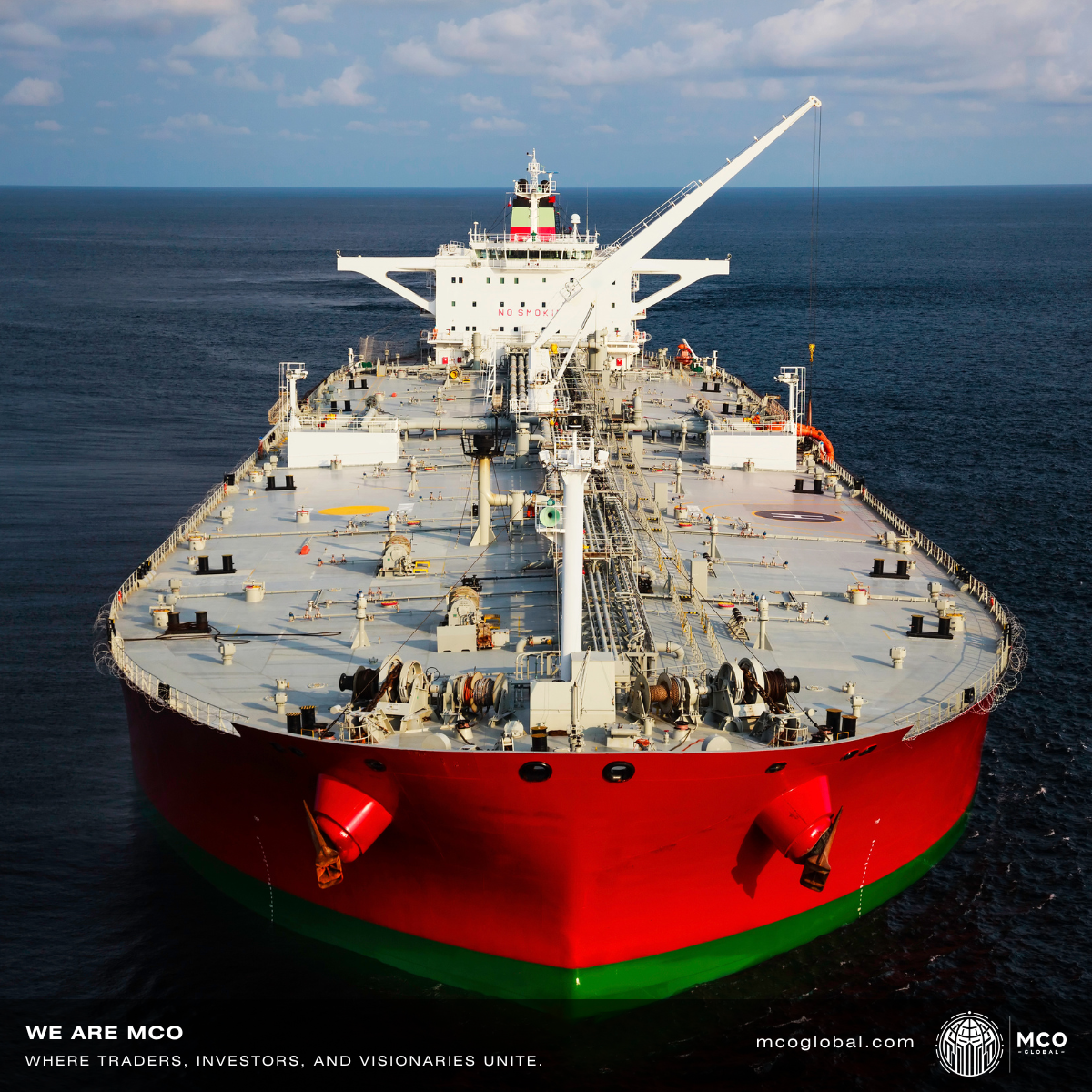
Energy markets now face a dual threat. The Strait of Hormuz handles about 20 percent of the world's oil traffic and is under Iranian pressure. Saudi Arabia can move oil via its East-West pipeline to Red Sea terminals, but the Houthi embargo threatens that route. About 2.5 million barrels per day of Saudi oil are at risk. The alternatives are disappearing.
Brent crude rose over 1 percent to 90.20 dollars per barrel. Traders are weighing the possibility of a total maritime shutdown. Some of the volatility is being tempered by reports from Pakistan, where mediators proposed a 10-day ceasefire to salvage an interim deal between Washington and Tehran. The market is reacting to both the gunfire and the diplomacy.
If a ceasefire fails and both Hormuz and the Red Sea routes are compromised, Saudi Arabia cannot compensate for lost Iranian exports. That would likely trigger a significant rebound in global oil prices. Market dependence on those Red Sea terminals has grown because the Gulf's primary maritime outlet is largely closed. The margin for error is gone.
The honest caveat is that non-Middle East producers and existing Gulf supplies are still reaching markets via other routes. According to the IEA, a price spike is not guaranteed unless the blockade becomes absolute. It shows the market has some cushion, but not much. A 10-day ceasefire determines if this volatility turns into a long-term rally.
Oil Hits $90 as Houthis Blockade Saudi Red Sea Shipping
The Middle East conflict escalated Tuesday. Iran attacked tankers in the Strait of Hormuz and Houthi militants declared an immediate maritime blockade on Saudi Arabia.
Sources
MCO News publishes market news and commentary for information and education. Nothing on this site is investment advice or a recommendation to buy or sell any asset. Trading and investing, including in cryptoassets, involves a high risk of loss.