The Strait of Hormuz Is Effectively Closed, and a Fuel Crisis Is Building
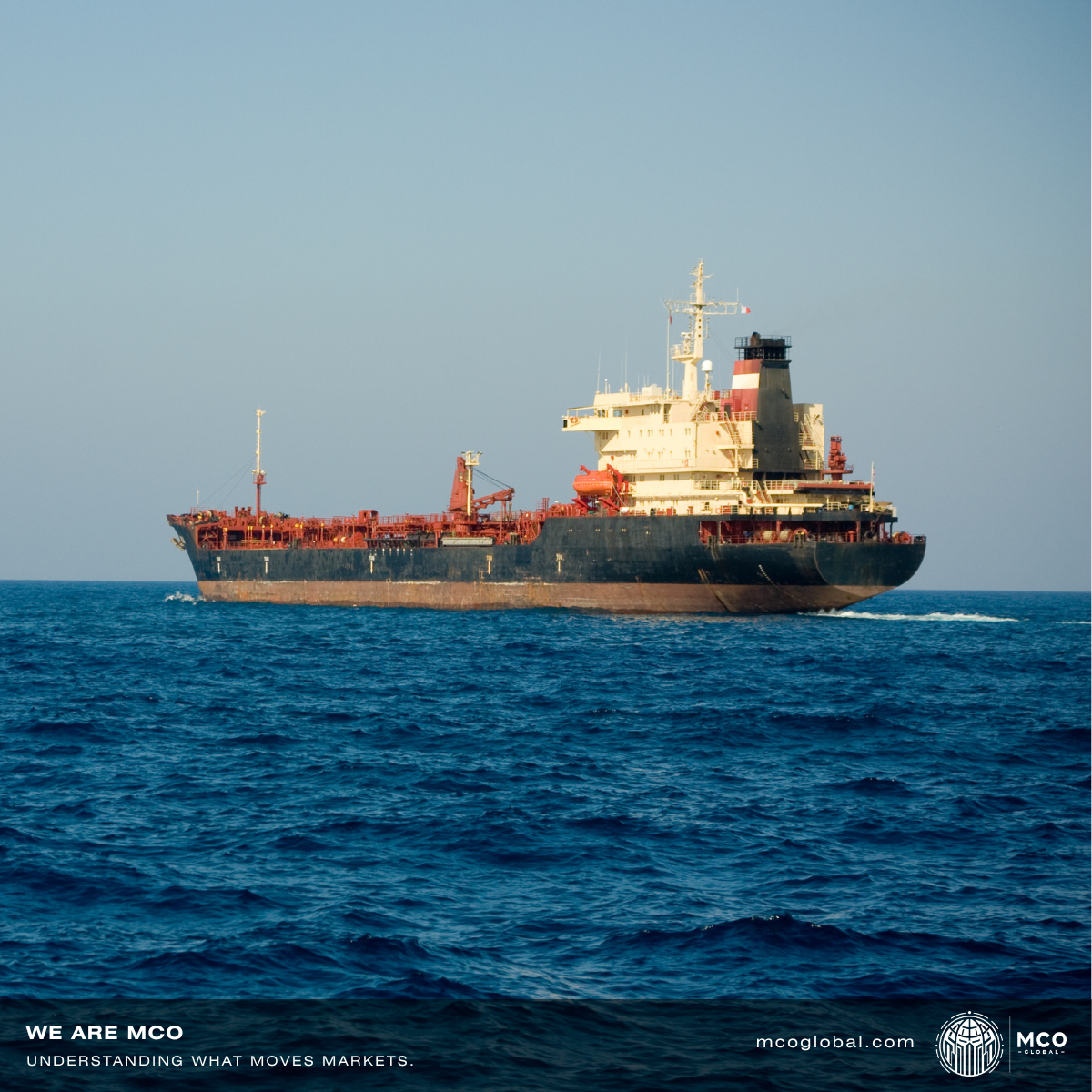
The most important waterway in the oil world has largely stopped functioning. Traffic through the Strait of Hormuz has collapsed, with only a handful of transits recorded on recent days against a normal baseline of around 85 a day, as attacks in and around the strait continue. For a channel that carries roughly a quarter of the world's seaborne oil, that is a serious disruption.
The backup routes are not picking up the slack. Saudi Arabia's East-West pipeline, the main overland way to bypass the strait, has been shut since drone strikes on September 11, and the Bab el-Mandeb passage faces its own pressure from Houthi forces, so there is no major alternate corridor fully open. When both the front door and the side door are blocked, oil has nowhere easy to go.
The market is holding its breath more than panicking. Brent crude sits near 104 dollars, elevated but off its recent highs, partly because traders are weighing the disruption against signs of ample stored supply, so prices are tense rather than spiraling. The calm depends on the assumption that this gets resolved before stockpiles run thin.
The real danger is a slow-building fuel crisis. If the strait stays shut for weeks, the strain moves from crude prices to actual availability of fuels like diesel and jet fuel, which is where a geopolitical story turns into an everyday one for transport, farming and shipping. The longer the blockage lasts, the more it stops being about price and starts being about supply.
The caution runs both ways. Reports of fresh strikes and claimed tanker hits are hard to verify in a conflict zone, and a diplomatic breakthrough could reopen the strait quickly and send oil tumbling, so the situation could de-escalate as fast as it worsened. This is a headline-driven crisis, and headlines can cut either direction.
So the oil market is sitting on a structural problem that has not yet fully hit prices, with the strait closed and the bypasses blocked. Transits collapsed, pipeline shut, fuel at risk. A waterway that normally sees 85 ships a day is down to a handful. As long as the strait stays shut, the price of oil is being set less by supply and demand than by who controls the water.
The Strait of Hormuz Is Effectively Closed, and a Fuel Crisis Is Building
Traffic through the Strait of Hormuz has collapsed to a trickle, with far fewer tankers passing than normal as attacks continue. Saudi Arabia's main overland bypass pipeline is still shut, leaving no full alternate route. Brent crude sits near 104 dollars, and the risk now is a slow-building fuel crisis.