
The World's Finance Chiefs Are Meeting, and the Yen Is the First Test
Finance ministers and central bankers from the G7 and G20 groups of major economies are gathering this week, and the agenda reads like a summary of everything unsettling markets right now: currency coordination, tariff dynamics, and a close watch on the weakening Japanese yen. It comes at a fraught moment, with the US Federal Reserve turning hawkish, a trade fight between the US and Canada escalating, and the dollar strengthening against most of its peers.
Currency coordination is the delicate part. When one big economy's currency moves sharply, it can destabilize others, so these meetings are partly about whether governments will act together to smooth out disruptive swings, or instead let their currencies fall to gain a trade edge. Cooperation steadies the system. Competition frays it, and the line between them is thin.
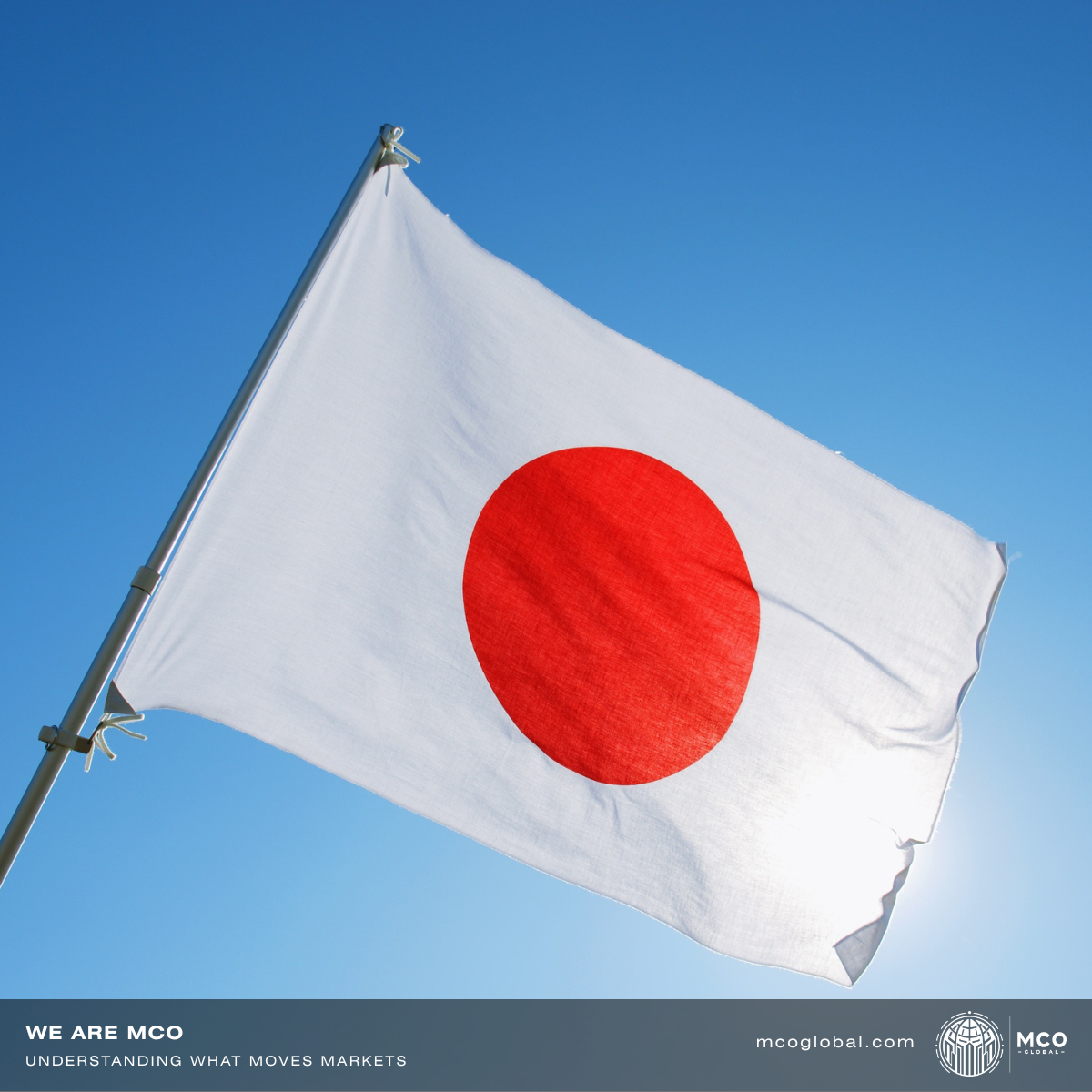
The yen is the immediate flashpoint. Japan's currency has been weak for a long time, and a hawkish US Fed that lifts the dollar makes it weaker still, which raises the cost of everything Japan imports and pressures its policymakers, so the yen is the first real test of whether this week's talk turns into action. A weak yen is Japan's problem and the world's warning. Everyone is watching it.
Tariffs hang over the whole discussion. With the US imposing duties and partners like Canada retaliating, trade friction is rising just as these officials try to manage the global economy, and tariffs distort both trade flows and currencies, tangling two of the meeting's core topics together. You cannot discuss exchange rates without discussing trade. This week they arrive as one problem.
The caution is that these summits often produce words, not action. G7 and G20 meetings are known for carefully worded statements that commit to little, real coordination is hard when each country has its own interests, and markets have learned not to expect dramatic outcomes. Communiqués are cheap. Genuine cooperation is rare and worth noticing when it appears.
So the people who steer the global economy are sitting down together just as currencies, trade and central-bank policy all pull in different directions. A packed agenda, a wobbling yen, a hawkish Fed in the background. The world's finance chiefs are meeting to coordinate. The yen is the first test of whether they can.
The World's Finance Chiefs Are Meeting, and the Yen Is the First Test
Finance ministers and central bankers from the G7 and G20 are meeting this week, with currencies, tariffs and a wobbling Japanese yen high on the agenda. It comes as the US Fed turns hawkish, trade tensions with Canada escalate, and the dollar strengthens. The question is whether the world can coordinate, or just compete.
Sources
https://finance.yahoo.com/markets/crypto/articles/bitcoin-bonds-stocks-enter-dangerous-192527004.html | https://www.investing.com/news/stock-market-news/monthly-market-brief-equities-bonds-crypto-and-commodities-in-august-2026-93CH-4872374 | https://tradingeconomics.com/japan/currency | https://www.reuters.com/markets/
MCO News publishes market news and commentary for information and education. Nothing on this site is investment advice or a recommendation to buy or sell any asset. Trading and investing, including in cryptoassets, involves a high risk of loss.