Washington Draws a Line: No One Charges Tolls on Hormuz
The Iran ceasefire calmed the Strait of Hormuz, but the fight over who controls it is not finished. Secretary of State Rubio declared that no country can charge for traffic through the strait, a pointed defense of free passage through the waterway that carries roughly a fifth of the world's oil. The principle behind global shipping is now openly contested.
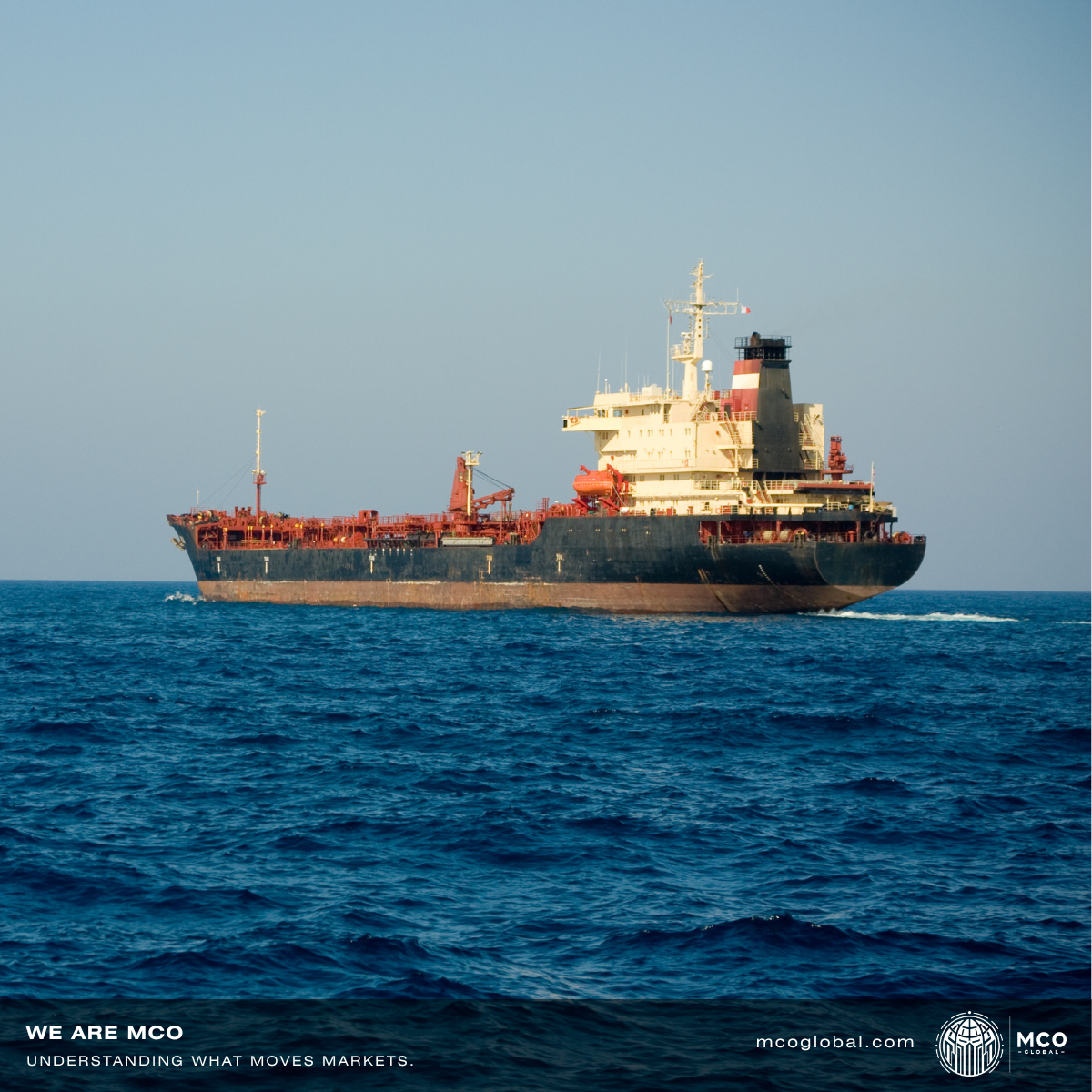
The strait is the most important oil chokepoint on earth. A narrow stretch of water between Iran and Oman, it is the only sea route out of the Gulf, and tankers carrying a huge share of the world's crude pass through it daily. During the Iran conflict the threat of closing it sent oil spiking, and its reopening this week pulled prices back below 74 dollars. Whoever controls it holds real leverage.
Rubio's statement defends a bedrock principle. Freedom of navigation, the idea that international straits stay open to all ships without tolls or permission, underpins the entire global trading system. By saying no country can charge for passage, Washington is pushing back against any move by Iran or others to treat the strait as something they can tax or gate. It is a line drawn in advance.
The subtext is the post-ceasefire order. With the truce fragile and Iran having recently claimed it could close the strait, the US is making clear that reopening Hormuz is not a favor to be priced but a baseline expectation. Asserting the principle now is meant to head off a future where access to the waterway becomes another bargaining chip. Control of the strait is part of the unfinished negotiation.
For markets, Hormuz is a permanent tail risk. As long as a fifth of the world's oil depends on one narrow passage, any threat to it, military or political, can move energy prices fast. A clear US stance on free passage lowers the odds of creeping tolls or restrictions, but it does not remove the underlying fragility. The chokepoint stays a chokepoint.
So even with the guns quiet, the contest over the world's most important shipping lane goes on, now over rules rather than missiles. A US line on free passage, a fifth of global oil at stake, and a ceasefire still being defined. Who controls Hormuz is who holds a hand on the oil tap. Watch the strait's status and any talk of tolls or restrictions.
Washington Draws a Line: No One Charges Tolls on Hormuz
The Iran ceasefire calmed the Strait of Hormuz, but the fight over who controls it is not finished. Secretary of State Rubio declared that no country can charge for traffic through the strait, a pointed defense of free passage through the waterway that carries roughly a fifth of the world's oil. The principle behind global shipping is now openly contested.