
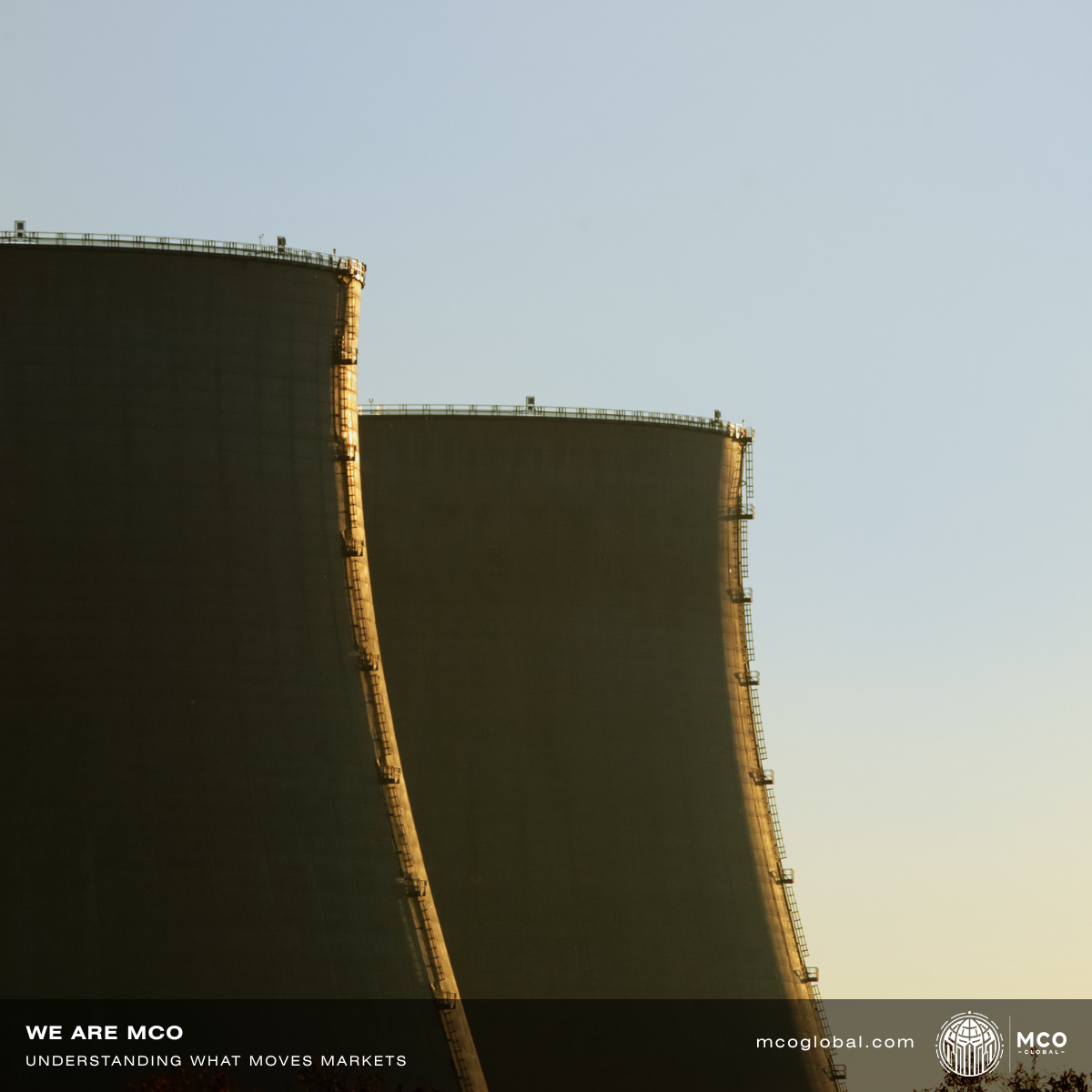
- The hard limit on AI is no longer cleverness or chips. It is electricity, measured in gigawatts.
- One gigawatt, the output of a large nuclear plant, now describes a single AI data center, and the labs are racing to lock up dozens of them.
- Power plants take 4 to 8 years to build and data centers take 1 to 2, so whoever secures energy first wins, which is why capex, nuclear, and even orbit are now part of the AI story.
The Setup
Everyone talks about AI in terms of smarter models. The people building it talk about something else entirely: power. Nvidia's Jensen Huang calls the current buildout the largest infrastructure expansion in human history, and he means it literally. The unit that matters now is the gigawatt, and there are not enough of them to go around.What a Gigawatt Actually Means
A gigawatt is the output of a large nuclear power plant, enough to run a mid-sized city. Until recently, no single computing facility came close. Now one AI data center is heading toward exactly that, a gigawatt of electricity consumed in one place to train and run models. Five data centers at a gigawatt or more are expected to come online in the US in 2026 alone, each run by a different tech giant. The scale jumped from big building to small nuclear plant in about two years.Why Power Is the Real Bottleneck
Here is the mechanism. You can buy chips fast, but you cannot conjure electricity. Adding the 10 gigawatts behind OpenAI's deal with Nvidia would mean adding a power load close to New York City at its summer peak. The catch is timing: a new power plant or transmission line takes four to eight years to build, while a data center takes twelve to twenty-four months. So the data centers are ready before the grid is. The fight now is over power more than silicon.What It Means For Investors
Follow the money and it leads to energy. Each gigawatt of AI compute costs roughly 50 to 60 billion dollars to build, by Huang's own math, with about 35 billion of that going to Nvidia. Meta alone plans 115 to 135 billion in capex this year and tens of gigawatts this decade. This is why utilities, nuclear, grid equipment, and cooling companies have quietly become AI trades. It is also why skeptics, including short-seller Jim Chanos, argue these cost-per-gigawatt numbers are too rosy, and that someone eventually has to earn a return on all of it.Why SpaceX Wants to Go to Orbit
The energy crunch explains the strangest AI story of the month. SpaceX is raising money partly to put data centers in space, with satellites targeting a gigawatt of orbital compute by late 2027. The pitch is simple: orbit has constant solar power and the cold of space for cooling, the two things the ground is running short of. When companies start eyeing space to escape the power grid, you know the bottleneck is real.Where We Have Seen This Before
Every technological era eventually runs into a physical limit. Railroads needed steel and land, the internet needed fiber, and AI needs electrons. The winners of past buildouts often were not the flashiest technology. They were the ones who controlled the scarce input. Right now, that input is power.FAQ
If power is the limit, won't AI just stall?Not stall, but slow where the grid is tight. The constraint shifts the race from who has the best model to who can secure the most energy, fastest, through deals, nuclear, or even orbit. Expect more of the spending to go into power, not just chips.
Why can't they just build more power plants?
They are trying, but it is slow. New plants and transmission lines take four to eight years and face permitting, supply, and local opposition, while data centers go up in one to two. That mismatch is the whole problem.
How do I actually use this as an investor?
Look past the model makers to the picks and shovels: power generation, grid and transmission, nuclear, and cooling, plus the chip supply chain. And treat energy access as a real risk, a lab without power cannot run the model it just built.