
Brent Is Holding Near 89 Dollars and Japan Just Showed the Bill
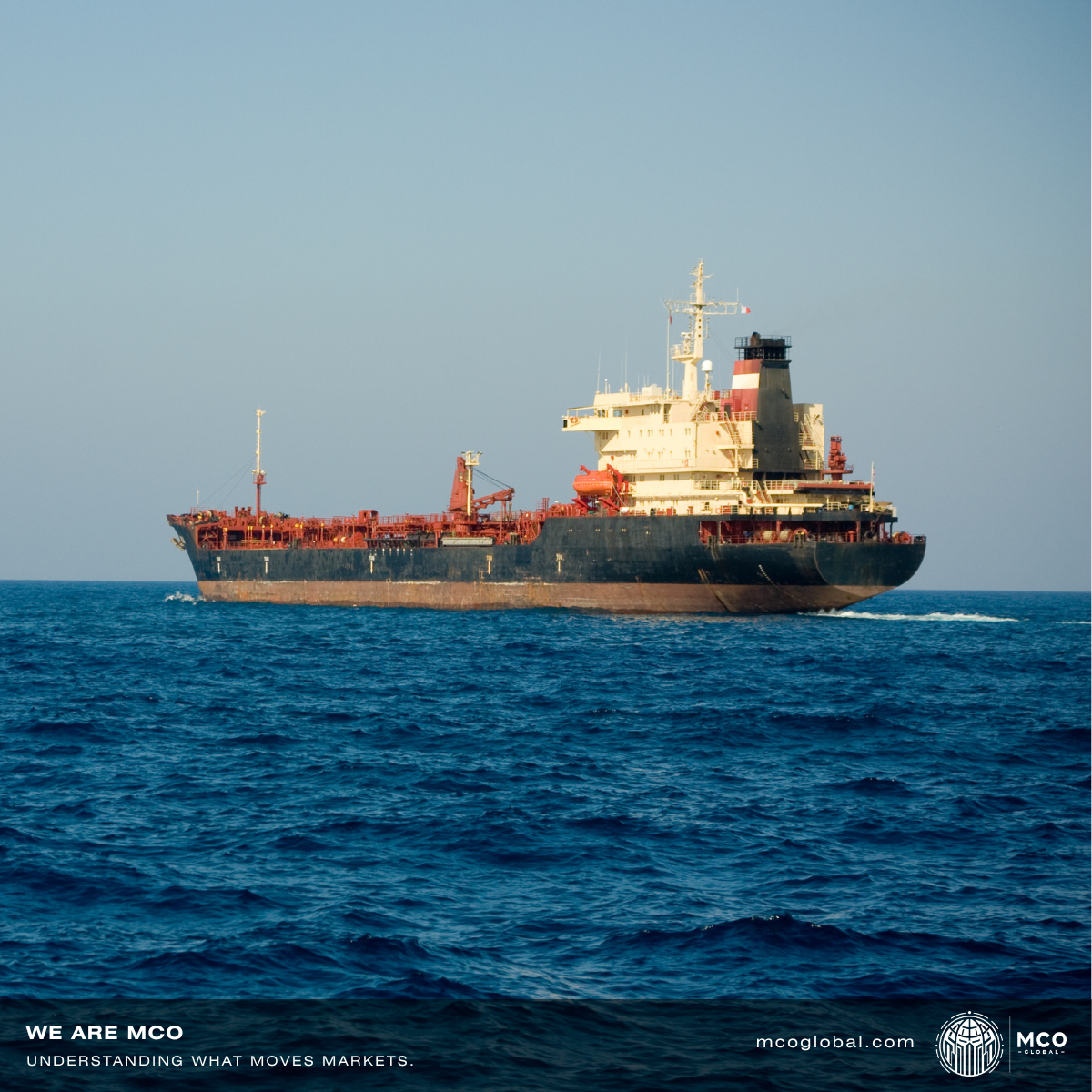
Brent crude traded near 89 dollars on Monday, at 88.59 and barely changed on the day, holding the gains it made last week as Middle East tensions stayed roughly where they have been all summer. The barrel is up 33 percent from a year ago. Japan's second quarter GDP, published the same morning, showed what that costs.
Oil has been the story underneath most other stories this year. Israeli operations in Lebanon and the on again negotiations between Washington and Tehran over the Strait of Hormuz have kept a permanent risk premium in the price, and nobody has managed to price the tail properly because the tail keeps moving. Brent has actually slipped 0.72 percent over the past month. It slipped from a very high base.
The Japanese numbers put a figure on it. Capital expenditure fell 1.2 percent in the quarter, and the release pointed at high input costs and supply chain disruption from the war in West Asia. Economists had expected capex to rise. Private consumption came in flat, and headline growth landed at 1.1 percent annualised against a 2 percent forecast. That is one large industrial economy responding to expensive energy by quietly not building things. Japan imports nearly all of its oil, so it feels the barrel faster than most.
The bond market is reading the same input. The US 10 year yield sat at 4.69 percent on Monday after touching 4.75 earlier in the week, a 19 month high, with energy prices doing much of the pushing. Gold at 4,375.50 dollars an ounce is up 7.76 percent in a month, which is the same trade wearing a different hat. Brent itself moved 0.06 percent on the day. That is the kind of quiet that comes from waiting.
Forecasters have Brent at roughly 90 dollars by the end of the quarter and 104 in a year, which assumes the risk premium stays and grows a little. The Hormuz talks are the swing factor and they have produced nothing durable so far. The thing worth watching is the capex line in other export economies over the next two quarters. Korea and Germany run much the same machine Japan does, and neither of them has a domestic barrel either.
Eighty nine dollar oil does not crash anything. It sits there, taxing every factory that has to buy it, and shows up two quarters later in a GDP release that misses by half. Japan filed that report on Monday. Others will follow.
Brent Is Holding Near 89 Dollars and Japan Just Showed the Bill
Brent crude traded near 89 dollars on Monday, at 88.59 and barely changed on the day, holding the gains it made last week as Middle East tensions stayed roughly where they have been all summer. The barrel is up 33 percent from a year ago. Japan's second quarter GDP, published the same morning, showed what that costs.
Sources
https://tradingeconomics.com/commodity/brent-crude-oil | https://www.cnbc.com/2026/08/10/oil-prices-today-brent-wti-hormuz-trump-iran.html | https://ph.investing.com/news/economic-indicators/japan-q2-gdp-slides-past-expectations-as-capex-private-spending-slow-2554050 | https://tradingeconomics.com/united-states/government-bond-yield | https://tradingeconomics.com/commodity/gold
MCO News publishes market news and commentary for information and education. Nothing on this site is investment advice or a recommendation to buy or sell any asset. Trading and investing, including in cryptoassets, involves a high risk of loss.