

Vessel traffic through the Strait of Hormuz has collapsed. A US blockade and intensified fighting between the US and Iran have turned the corridor into a high-risk zone, with shipowners avoiding the area as renewed US strikes and a blanket ban on maritime traffic from Tehran take hold. The waterway is seeing a massive exodus of ships.
This slump comes after a short period of normalization following a mid-June ceasefire. That pause had encouraged some operators to resume voyages, but the current fighting has nearly emptied a strategic passage that carries roughly one-fifth of global oil consumption. The stability seen in June has vanished.
The data from Lloyd's List Intelligence captures the scale of the decline. In the week through July 20, there were just 53 transits, compared to 157 the previous week, a drop of 66 percent. Tanker and gas carrier movements fell from 90 crossings to 30. Daily averages that sat above 20 vessels before July 15 plummeted to single digits by July 16. The drop is steep.
Mainstream international shipowners are staying away because of the strikes and the blockade. The remaining traffic is now dominated by Iran-linked and sanctioned vessels who have a higher risk tolerance. Commercial ships still make up over 70 percent of movements, but only about one-third of those are compliant with maritime restrictions.
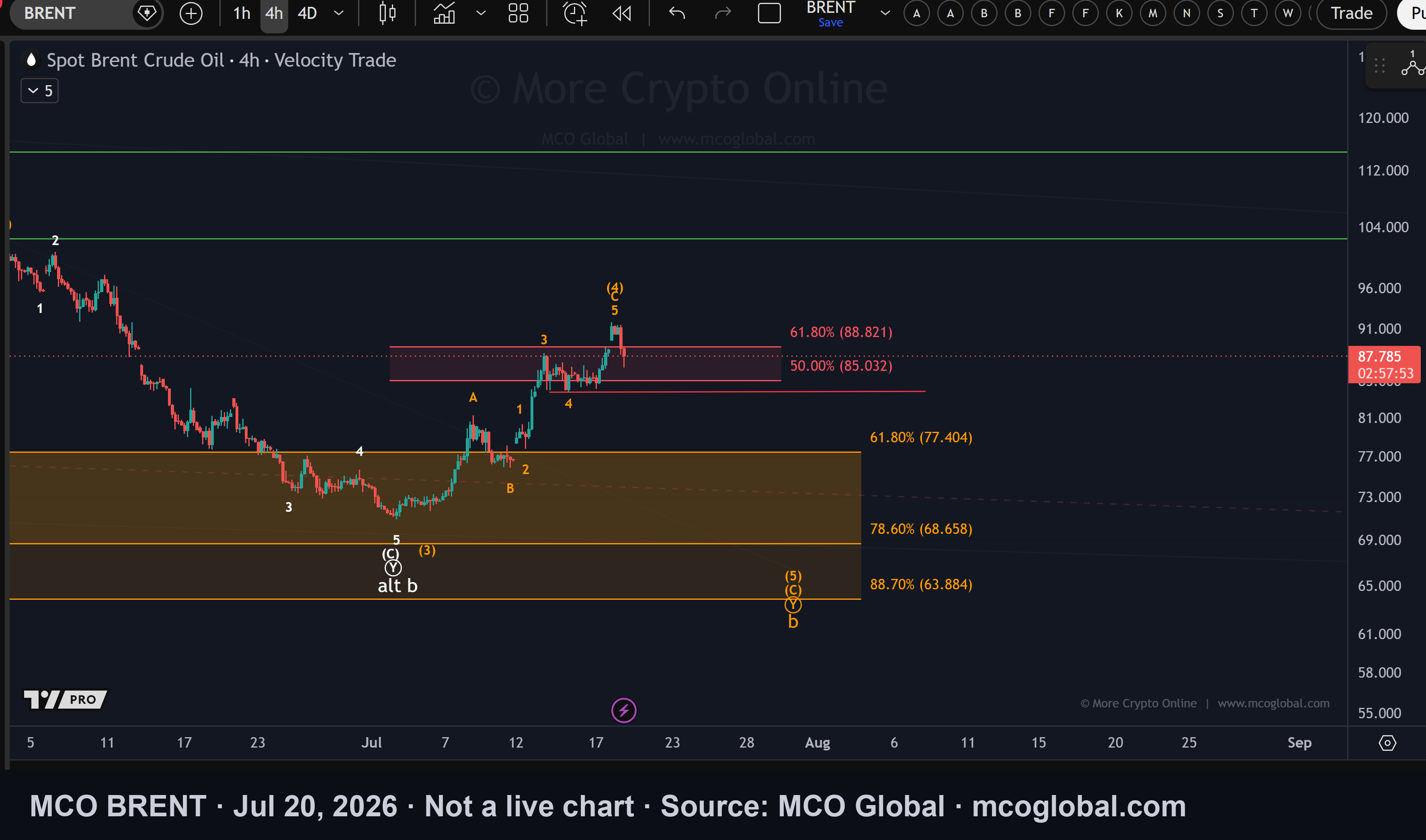
This disruption puts immediate pressure on energy markets because any prolonged hit to this volume of oil typically pushes prices higher. As MCO noted on 20 July, Brent has completed an expected recovery from its July low and is testing a decision area. While the bearish view remains valid as long as price stays below 92 dollars, a sustained break above that level increases the probability of a larger recovery toward 102 dollars. If fighting persists or regional energy infrastructure is attacked, oil could retest 100 dollars a barrel. The stakes are high.
The reality is that traffic has not ground to a complete halt. Different operators have different risk appetites, and some tankers continue to cross during windows where they perceive safety. Movements will likely fluctuate rather than follow a steady recovery path. Whether the blockade holds or eases decides the next move for global oil flows.